
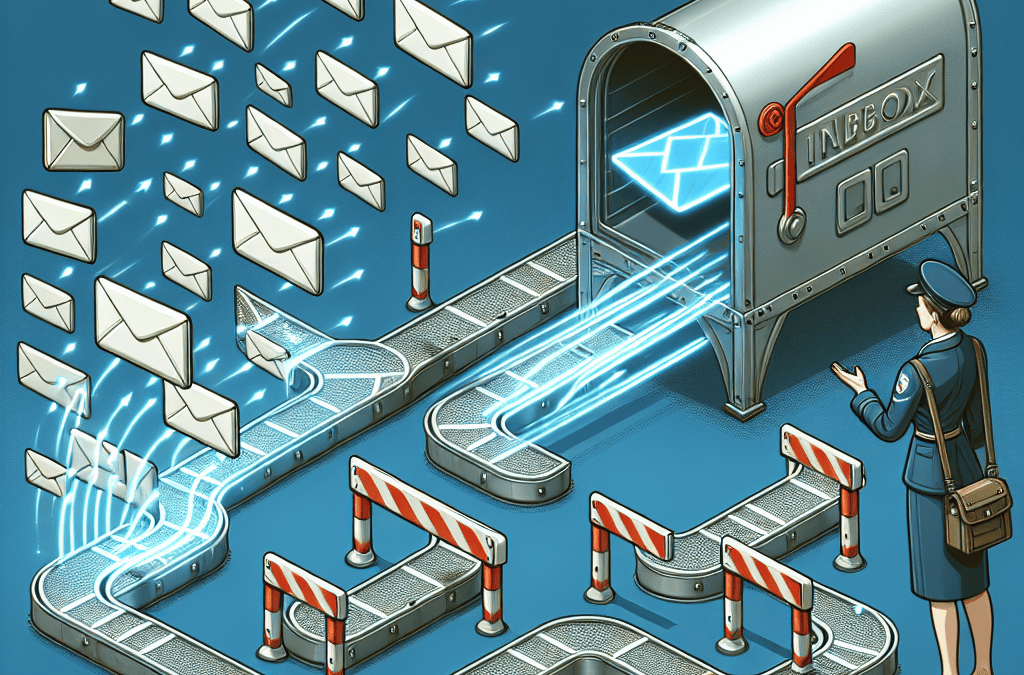
Email deliverability refers to the ability to deliver emails successfully to the intended inbox, rather than ending up in the spam folder. It’s a critical aspect of email marketing that every indie author, small publisher, marketer, and writer should understand. High email deliverability ensures that your messages and promotions reach your audience effectively, which translates to better engagement and results.
However, many marketers face challenges related to email deliverability. Poor practices, technical misconfigurations, or lack of engagement can quickly lead your emails to be flagged as spam. In this article, we’ll explore actionable tips to improve your email deliverability and ensure your messages are seen by your audience.
Why Does Email Deliverability Matter?
Having a high email deliverability rate matters for several reasons:
- Increased Engagement: Your audience is more likely to open, read, and interact with your emails if they land in their inboxes instead of the spam folder.
- Stronger Relationships: Consistent communication through reliable email delivery builds trust and a sense of connection with your readers and customers.
- Higher ROI: Effective email marketing can lead to more sales, more book downloads, and ultimately greater financial success for indie authors and small publishers.
- Better Sender Reputation: Consistently achieving high deliverability helps you maintain a good reputation with email service providers (ESPs), enabling your future emails to be less likely to be marked as spam.
Signs of Poor Email Deliverability
Before we dive into how to fix email deliverability issues, let’s identify some signs that may indicate your emails are not reaching their intended audience:
- Low open rates: If your open rates are significantly below industry averages, it indicates potential deliverability issues.
- High bounce rates: A high bounce rate shows that your emails are being rejected by the inboxes, either due to invalid addresses or other factors.
- Increased spam complaints: If recipients frequently report your emails as spam, it can harm your sender reputation.
- Low engagement rates: Low click-through rates (CTR) suggest that your audience isn’t receiving or engaging with your content.
Actionable Tips to Fix Email Deliverability
1. Clean Your Email List
One of the first steps to improving email deliverability is to maintain a clean and updated email list. Sending emails to inactive or invalid addresses can hurt your sender reputation.
- Use double opt-in: This ensures that subscribers genuinely want to receive your emails. They must confirm their subscription through a second email, filtering out disengaged users.
- Regularly scrub your list: Remove invalid, dormant, or inactive users from your list at regular intervals. Aim for a periodic clean-up every 3-6 months.
- Segment your audience: By analyzing engagement levels, you can segment your audience into active, semi-active, and inactive subscribers. Tailor your outreach accordingly.
2. Authenticate Your Emails
Email authentication is a vital aspect of ensuring your emails are delivered successfully. It helps ISPs identify your emails as legitimate and not spam.
- Implement SPF (Sender Policy Framework): This policy gives recipient servers information about which mail servers are permitted to send emails on behalf of your domain.
- Use DKIM (DomainKeys Identified Mail): This authentication method about signing your emails helps verify the sender’s domain and ensure that the content hasn’t been tampered with.
- Set up DMARC (Domain-based Message Authentication, Reporting & Conformance): DMARC provides instructions to your mail server on how to handle mail that fails SPF or DKIM checks.
3. Monitor Your Sender Reputation
Your reputation as a sender plays a crucial role in email deliverability. Monitoring your reputation regularly can help you identify and address issues proactively.
- Use Email Reputation Tools: Tools like Sender Score can provide insights into your email sending practices, enabling you to improve your score.
- Follow best practices: Make sure to consistently adhere to industry best practices regarding content, list management, and engagement metrics.
- Keep an eye on complaints: Sign up for feedback loops with major ISPs to monitor how many users report your emails as spam. You want this number to be as low as possible.
4. Create Valuable and Engaging Content
Content quality directly affects recipient engagement, which in turn influences deliverability.
- Personalize your emails: Use recipient names and customize content based on their previous interactions with your work, such as prior purchases or interests.
- Maintain a consistent sending schedule: Establish a rhythm with your email marketing efforts. Regular consistency helps build expectations among your audience.
- Always include a clear call-to-action (CTA): Make it easy for readers to know what you want them to do, whether it’s downloading a new book, leaving a review, or exploring your website.
5. Test Your Emails Before Sending
Before dispatching your emails to your entire list, it’s wise to conduct thorough testing first.
- Send test emails: This helps you preview how your email will look across various devices and email clients.
- Check spam filters: Utilize tools like Mail Tester to see how your content and settings fare against spam filters.
- Use A/B tests: Experiment with different subject lines, content structures, and CTAs to see what yields the highest engagement rates.
6. Analyze Data and Metrics
Analyzing your metrics is crucial for maintaining and improving email deliverability over time.
- Watch your analytics: Keep a close eye on open rates, click-to-open rates (CTOR), bounce rates, and unsubscribe rates. Analyzing these numbers can help you identify trouble spots.
- Adapt your strategy: Use the data you collect to refine your approach. For instance, if you see a particular subject line draws attention, prioritize similar angles in future emails.
7. Educate Your Audience About Your Emails
Sometimes, your emails may land in the spam folder simply because recipients don’t recognize them.
- Set Expectations: Clearly communicate what type of content subscribers will receive and how often they can expect to hear from you.
- Encourage Whitelisting: Ask your subscribers to add you to their contact list or safe senders list to ensure your emails land in their inbox.
Conclusion: Optimize for High Deliverability
Improving email deliverability is an ongoing process and a vital component of any successful email marketing strategy. By employing these actionable tips—cleaning your list, authenticating your emails, monitoring your sender reputation, creating valuable content, testing your emails, analyzing data, and educating your audience—you can significantly enhance your email deliverability.
Moreover, as you implement these best practices, remember that building a solid relationship with your subscribers takes time. Keep your audience engaged, and their trust in your communication will grow, leading to higher deliverability and better results for your indie publishing or marketing efforts. By doing so, you’ll ensure your messages consistently reach inboxes rather than being relegated to the dreaded spam folder.